
This classification of districts is to be followed by states and union terrotories till a week post May 3, when the second phase of lockdown will end, for containment operations.
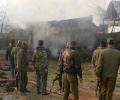
Militants on Friday struck in a big way two days ahead of the Prime Minister's visit to Jammu and Kashmir, storming an Army camp in Uri in Baramulla district, killing 11 security personnel, including a Lieutenant colonel, and following it up with multiple attacks in Srinagar, Tral and Shopian.

One wonders where the inestimable Syed Ali Shah Geelani and his gang of separatist leaders have disappeared.

With the threat of disease outbreak lurking in flood-ravaged Jammu and Kashmir, efforts have been initiated on a war-footing to provide medical staff and medicines even as rescue operations were slightly hampered on Sunday due to return of rains in the Valley.
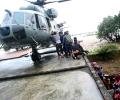
Thousands of defence personnel are working overtime to rescue lakhs of people still stranded in the floods in Jammu and Kashmir.

'For lakhs of people in the flood-afflicted state, battling against the elements is taking a huge toll. This is the time of the year that apples ripen, rice starts being harvested and preparations start in full swing to put aside some of the food stocks for the long winter months ahead. At this moment, though, people there believe if they can succeed in coming out of this calamity in one piece they will have won the war,' says Rashme Sehgal.

In the second and final part of his column, Col Anil Athale says the fight between forces of Indian nationalism and Macaulayism aided and abetted by West is going to be long, hard and dirty. The outcome will decide whether India becomes a superpower or continues to wallow in the swamp of underdevelopment.
